
Scanóirí Barcód 1D vs 2D: Conas a Roghnú?
Ó chuntasóirí seiceála miondíola go stórais ar scála mór, scannóirí barcód a chinntiú go nglacfar sonraí go tapa, go cruinn agus go héifeachtach. Tagann an chuid is mó de na barcódanna a scanadh gach lá i dhá phríomhchatagóir: 1D agus 2D. Mar sin, cibé acu atá tú ag ullmhú siopa nua a oscailt nó do threalamh stórais a uasghrádú, tá rogha tábhachtach os comhair: ba cheart duit scanóir barcód 1D nó 2D a roghnú?
Mhíníonn an treoir seo na difríochtaí, cásanna úsáide, agus fachtóirí teicniúla chun cabhrú leat an scannóir a roghnú go muiníneach is fearr a oiriúnaíonn do riachtanais oibríochtúla.

Freagra tapa: An difríocht idir scannóirí 1D agus 2D
Scanóirí Barcód 1D
Úsáideann scannóirí barcód 1D teicneolaíocht léasair nó CCD chun barcóid líneacha a léamh (cosúil le UPC agus Cód 128). Tá siad inacmhainne, tapa le haghaidh tascanna miondíola bunúsacha, agus idéalach nuair nach gá duit ach barcódanna simplí a scanadh a phriontáiltear ar lipéid nó pacáistiú.
Scanóirí Barcód 2D
Baineann scannóirí barcód 2D úsáid as teicneolaíocht íomhánna chun cóid 1D agus 2D araon a léamh (cosúil le cóid QR agus DataMatrix). Murab ionann agus scannóirí 1D, is féidir leo léamh ó scáileáin dhigiteacha, cóid damáiste a ghabháil, agus scanadh uile-threorach, rud a fhágann go bhfuil siad níos ilghnéitheacha do shreabhanna oibre nua-aimseartha.
Cad iad Barcódanna 1D agus 2D?
Tá barrachóid 1D (barrachóid líneacha) comhdhéanta de línte comhthreomhara le leithead éagsúil. Stórálann siad faisnéis alfanumerach teoranta - de ghnáth ach deichead carachtar in aghaidh an chód. I measc na gcineálacha barrachód 1D coitianta tá:
- ● UPC / EAN – a úsáidtear ar tháirgí miondíola agus pacáistiú tomhaltóra
- ● Cód 128 – a úsáidtear ar lipéid loingseoireachta, lipéid sócmhainní agus lipéid lóistíochta
- ● Barcódanna leabhair (ISBN/EAN-13) – priontáilte ar chúl leabhair
- ● Idirlíonadh 2 de 5 a úsáidtear go forleathan ar chatáin seachtracha agus lóistíocht stórais
Tá barcódanna 1D simplí, tapa le léamh, agus oiriúnach d'iarratais nach gá duit ach ID bunúsacha nó uimhreacha míreanna a ionchódú.
Stórálann barcódanna 2D, mar shampla Cód QR, PDF417, agus DataMatrix faisnéis go ingearach agus go cothrománach araon, ag tairiscint cumas sonraí i bhfad níos airde suas le roinnt míle carachtar. Is féidir le hey URLanna, aitheantais, uimhreacha sraitheach, agus fiú íomhánna a chódú agus is féidir iad a scanadh go díreach ó scáileáin.
Conas a Oibríonn Scanóirí Barcód 1D agus 2D
Scanóirí Barcód 1D
De ghnáth úsáideann scannóirí 1D teicneolaíocht léasair nó CCD (solas dearg):
- Scanóirí léasaire tionscadal beam tanaí ar fud an barcód a léamh solas léirithe. Tá siad inacmhainne agus tapa le haghaidh lipéid glan, dea-phriontáilte ach streachailt le damáiste.
- Scanóirí CCD (scanóirí solais dearg) íomhá iomlán den bharcód a ghabháil. Toisc nach bhfuil aon pháirteanna gluaiseachta lag acu, tá siad níos marthanaí, in aghaidh titim, agus go suntasach níos fearr ag léamh cóid caite nó íseal-chothromas.

Úsáidtear scannóirí barcód 1D go forleathan i miondíol, lóistíocht, bainistíocht stoc, cúram sláinte agus leabharlanna. Mar shampla, úsáideann UPS scannóirí barcód 1D go forleathan le haghaidh sórtála pacáistí éifeachtach agus rianú fíor-ama, ag láimhseáil na milliúin pacáistí gach lá.
Cé go bhfuil siad teoranta do chóid 1D, tá siad fós mar an réiteach is éifeachtaí ó thaobh costais agus is éasca le hoibriú le haghaidh tascanna ard-mhéide nach gá sonraí cód QR.
Scanóirí Barcód 2D
Baineann scannóirí 2D úsáid as braiteoirí íomhánna CMOS chun pictiúr ard-réiteach den chód a ghabháil le chéile. Cuireann an teicneolaíocht íomhánna seo ar chumas:
- ● Scanadh uile-threorach: Ní gá an scanner a ailíniú leis na barraí.
- ● Léamh scáileáin: Glacann sé cóid QR go díreach ó fhón cliste agus ó mhonatóirí.
- ● Ard-fhulaingt: Díchódaíonn sé cóid damáiste, dathaithe nó léiriúcháin nach féidir le léasairí 1D a léamh.
- ● Comhoiriúnacht ar ais: Léann sé gach barcód 1D go héasca.

Le méadú na n-íocaíochtaí soghluaiste, tá scannóirí 2D seasta agus láimhe tar éis éirí ina chaighdeán i siopaí miondíola agus i mbialanna toisc go gcuireann siad scanadh tapa, slán agus gan teagmháil ar fáil.
Seachas an miondíola, úsáidtear scannóirí íomhá 2D go forleathan i gcúram sláinte do bhráistbandaí othair, i lóistíocht le haghaidh rianú sócmhainní, agus i ndéantús le haghaidh fíoraithe páirteanna agus comhpháirteanna.
Cé go bhfuil scannóirí 2D níos daoire de ghnáth, déanann a n-ilsheasmhacht, a gcumhacht díchódaithe, agus a n-éifeachtúlacht ard iad an rogha is fearr leo ar fud go leor tionscail.
1D vs 2D Barcode Scanners: Príomhdhifríochtaí & Conas a Roghnú

Tá a láidreachtaí féin ag scannóirí barcód 1D agus 2D araon. Laistigh de scannóirí 1D, tá samhlacha léasair agus CCD (íomhá líneach) difriúil go suntasach i bhfeidhmíocht freisin. Chun an cinneadh ceart a dhéanamh, ní mór duit iad a chur i gcomparáid ar fud na bpríomhghnéithe teicniúla.
1D Laser vs 1D CCD vs 2D Scannairí: Ag amharc
| Gné | Scanóirí Laser 1D | Íomhánnaithe 1D CCD / Líneacha | Scanóirí Barcód 2D |
|---|---|---|---|
| Cineálacha Barcode Tacaithe | 1D amháin (UPC, EAN) | 1D, lena n-áirítear lipéid beagán damáiste | 1D & 2D (QR, DataMatrix, PDF417) |
| Feidhmíocht Scanála | Éilíonn sé ailíniú cruinn | Léitheanna níos tapúla ó uillinn éagsúla | Scanadh uile-threorach |
| Cóid Damáiste / Droch-Phriontáilte | Lag | Dea | Tá sé den scoth |
| Léitheann Ó Scáileáin | Níl | Níl | Tá |
| Costas | Is ísle | Meánmhéide | An chuid is airde ach is ilghnéitheach |
Cumas Léitheoireachta & Solúbthacht:
Éilíonn scannóirí 1D (go háirithe léasairí) ort an líne scanaithe a ailíniú leis an gcód barra. Cé go gceadaíonn scannóirí CCD 1D uillinn níos leithne, tá scannóirí 2D i ndáiríre uile-threoracha - is féidir leat pointeáil agus lámhach ó aon uillinn, rud a luathaíonn línte seiceála go suntasach.
Feidhmíocht ar Chódanna Damáiste:
Is minic a bhíonn timpeallachtaí stórais crua agus éileamh. Cé go ndéanann scannóirí CCD 1D roinnt caitheamh a láimhseáil, cuireann íomhánnaithe 2D ceartú earráide níos fearr ar fáil, ag athchóiriú sonraí ó lipéid scratched nó dathaithe a bheadh ag teip ar scannóir léasair.
Costas vs. Luach:
Is iad scannóirí 1D an buaiteoir buiséid le haghaidh tascanna simplí. Mar sin féin, cuireann scannóirí 2D luach fadtéarmach níos fearr ar fáil. Infheistíocht i dteicneolaíocht 2D a chruthaíonn do ghnó sa todhchaí i gcoinne úsáid mhéadaithe cóid QR agus sparán soghluaiste.
Cén ceann a theastaíonn uait?
Roghnaigh Scanadóir 1D Má:
Ní mór duit réiteach inacmhainne chun barcódanna caighdeánacha 1D a scanadh. I gcás tascanna seiceála bunúsacha nó tascanna stoc simplí, tá scanóir 1D leordhóthanach, le samhlacha CCD a thairgeann marthanacht agus feidhmíocht léitheoireachta níos fearr ar lipéid a bhfuil damáiste beagán acu.
Roghnaigh Scanadóir 2D Má:
Ba mhaith leat an t-uasmhéid solúbthachta. Scanann íomhá 2D ó scáileáin, agus déanann sé lipéid damáiste nó casta a láimhseáil, oibríonn sé go maith i íocaíochtaí soghluaiste (scáileáin léamh), cúram sláinte (ID othair), loingseoireacht nó fíorú déantúsaíochta casta.
Scanóirí Barcode 2D is Fearr le haghaidh Miondíola, Stóras, Loighistic & Níos mó
Is é Hanin príomhmhonaróir trealaimh priontála agus scanála sa tSín, a thairgeann réitigh iontaofa agus in-scálaithe do thionscail mhiondíola, stórála, lóistíochta, cúraim sláinte agus déantúsaíochta. Áirítear ar ár líne scannóirí barcód cárdaithe agus gan cárdaí a tógadh le haghaidh díchódú tapa, cruinn agus feidhmíochta marthanach i dtimpeallachtaí ardéileamh.
Seo thíos ár samhlacha molta a bharrfheabhsú do thimpeallachtaí tionscail éagsúla
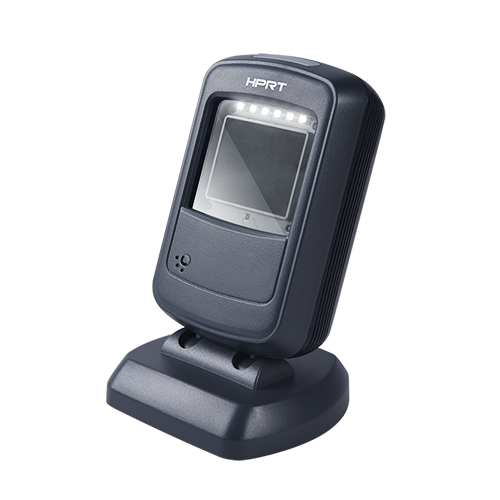
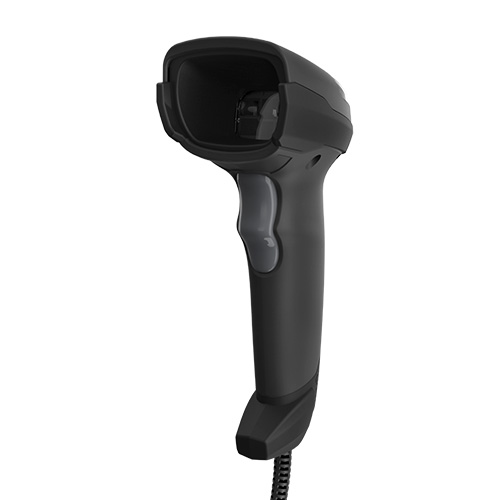
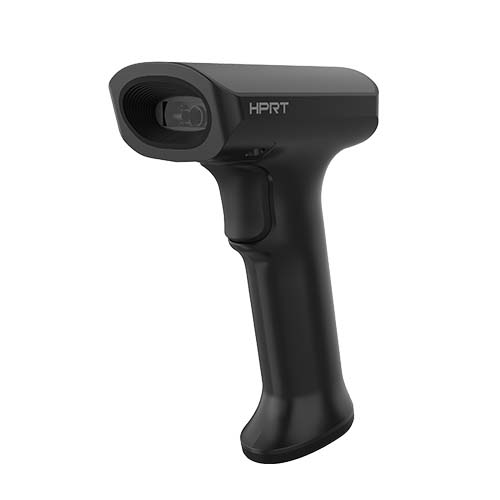
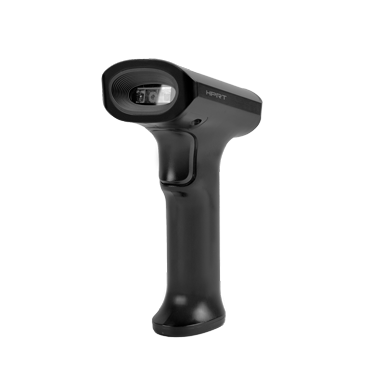
Scannairí Barcód Miondíola
deartha le haghaidh seiceála tapa agus scanadh íocaíochta soghluaiste ar fud siopaí grósaera, ollmhargaí, siopaí agus siopaí leabhair
Scannairí Barcód Stórais
tógtha le haghaidh sruthanna oibre ardmhéide a picking, a fháil, agus stoc
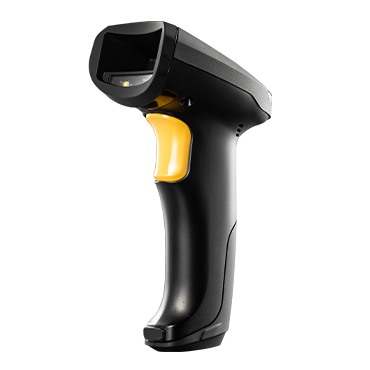
Scanadóir Barcód Cúraim Sláinte
Ag feiceáil tithíocht plaisteach frith-mhicreabhach le haghaidh aithint iontaofa othair agus fíorú cógais

Scanadóir Barcód DPM
Deartha le haghaidh marcála díreach páirteanna agus inrianaithe sa mhonarú

Sa deireadh, soláthraíonn scannóirí 1D éifeachtúlacht ar chostas íseal do shreabhanna oibre bunúsacha, agus soláthraíonn scannóirí 2D an solúbthacht agus an chumhacht díchódaithe a theastaíonn do thimpeallachtaí digiteacha agus ard-éileamh an lae inniu.
Má tá tú ag roghnú scannóir, smaoinigh ní amháin ar chostas ach freisin ar do chineálacha barcód, timpeallacht scanála, agus riachtanais fhadtéarmacha.
Mar mhonaróir gairmiúil scannóir barcód agus soláthraí OEM / ODM, soláthraíonn Hanin scannóirí barcód sreangtha agus gan sreang iontaofa chun freastal ar thionscail agus buiséid éagsúla. Déan teagmháil lenár bhfoireann am ar bith le haghaidh moltaí táirgí nó réitigh saincheaptha.
An bhfuil tú réidh chun do fheidhmíocht scanála a uasghrádú?
Labhair lenár saineolaithe chun an scannóir barcód 1D nó 2D ceart a aimsiú do do ghnó.
Déan teagmháil lenár bhfoireannCeisteanna Coitianta faoi Scanóirí 1D & 2D
C1: Cad é barcód 1D?
Is cód líneach é barcód 1D a stórálann sonraí i línte comhthreomhara, a úsáidtear go coitianta ar lipéid mhiondíola agus lipéid lóistíochta.
C2: An féidir le scanner 2D barcódanna 1D a léamh?
Tá. Is féidir le gach scanner 2D barcód 1D agus 2D a léamh, rud a fhágann go bhfuil siad comhoiriúnach le beagnach gach sreabhadh oibre.
C3: An bhfuil scanner 2D níos fearr i gcónaí?
Go feidhmiúil tá, toisc go scanann sé níos mó cineálacha cód agus go láimhseálann sé barcódanna deacair. Mar sin féin, tá scannóirí 1D níos éifeachtaí ó thaobh costais le haghaidh tascanna simplí.
C4: Cén scanner is fearr do siopaí miondíola beaga?
Mura n-úsáideann do tháirgí ach barcódanna 1D, is leor léasair bunúsach 1D nó scanner CCD. Má ghlacann tú le híocaíochtaí bunaithe ar QR freisin, roghnaigh scanner 2D.